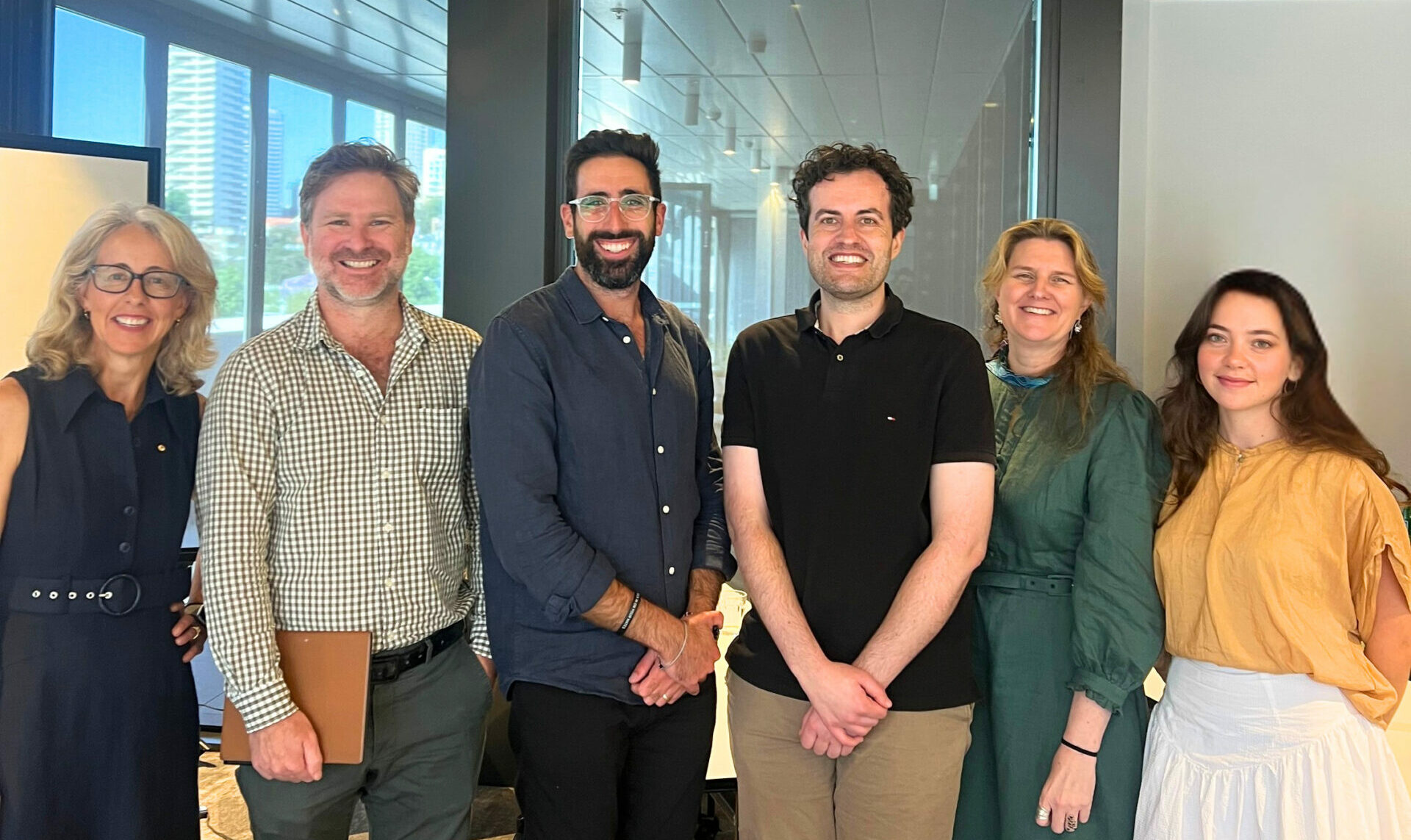
L-R: Georgina Byron, Ed Coper (CEO of Populares and author of Angertainment), Dr Zac Seidler (Global Director of Research at Movember and Associate Professor with Orygen at the University of Melbourne), Adam Knobel (Deputy CEO of Australian Progress), Sally Grimsley-Ballard (Snow Foundation), India Boschet (Snow Foundation)
How can we bring more men and boys into the conversation about gender equality?
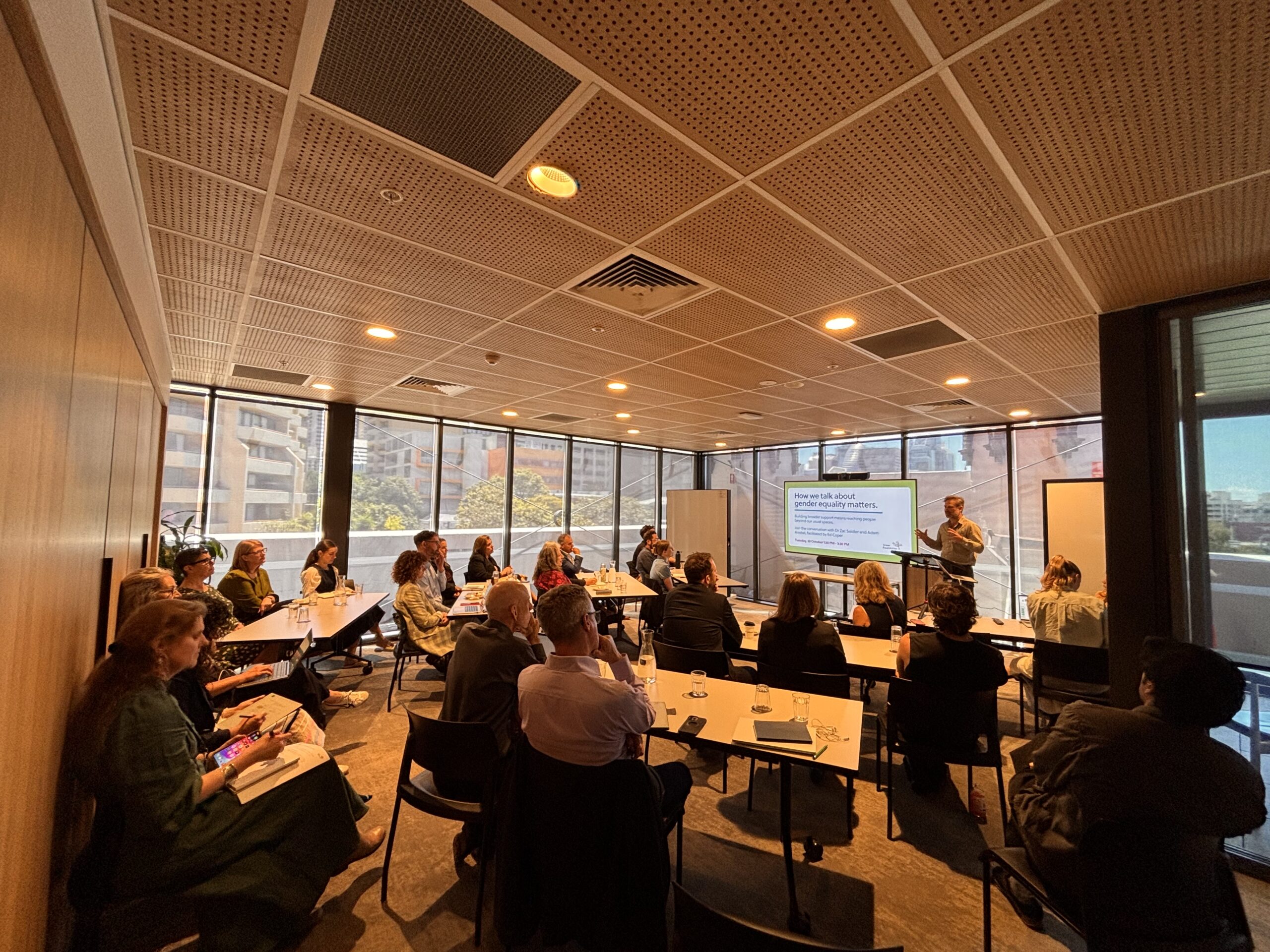
At a recent Snow Foundation small-group session, Ed Coper, Dr Zac Seidler and Adam Knobel, explored the influences shaping men and boy’s attitudes and behaviour. Importantly, the conversation focused on what we can do differently to build connection, strengthen communities and give men and boys a positive role in creating change.
Some key insights from the session:
The online world is reshaping trust, connection and information.
Algorithms reward outrage and division, amplifying extreme voices and anti-feminist narratives. But the loudest voices online don’t necessarily reflect where the broader public sits, creating opportunities to tell more hopeful stories, build on shared values and offer people something stronger to belong to.
“It is incredibly easy to manipulate these algorithms through things that are extreme, things that are contrarian, things that are outrageous, things that incite our emotions.” Ed Coper
Belonging and connection are critical.
The manosphere can offer young men identity, certainty and community, often drawing them in before they recognise its harmful messages. We need stronger alternatives: positive relationships, friendships and spaces where boys and men feel valued, connected and that they belong.
“If we can find a way to build a culture that doesn’t require destruction to belong, but it’s going to come with cohesion and togetherness and connection. That is a solution that I think can really work.” Dr Zac Seidler
We need a positive vision of masculinity.
Move beyond telling men and boys what not to do towards an aspirational picture of healthy manhood. Showing men what they stand to gain from gender equality, such as stronger relationships, greater connection and being more involved as fathers, can be more powerful than focusing only on risk. Transitional moments, such as becoming a father, also create opportunities for structural change, through measures such as parental leave and engaging fathers through health services.
“We do not have a narrative at the moment that is focused on how we can lead to this aspirational message of what it means to be a man. We’re telling them what not to do.” Dr Zac Seidler
Men need to be part of leading change.
Young men are more likely to listen to people they relate to than institutions. Most men hold healthier views than they believe their peers do, so positive male role models and encouraging men to speak up can help break the silence and shift norms.
Language matters, compassion and accountability go together.
Labelling and calling people out can shut down conversations. Starting with shared values, listening and finding common ground creates more opportunity for change. This doesn’t mean excusing harmful behaviour. It means creating space for people to reconsider their views while still holding them accountable for their actions.
“We want compassion and empathy for the true suffering that lots of men experience. But we want accountability when they transgress boundaries, when they break laws, when they hurt women and girls. Those two truths can coexist.” Dr Zac Seidler
Community and collaboration are essential.
Gender inequality doesn’t exist in isolation. Anti-migrant, far-right and misogynistic narratives can reinforce one another, with women’s safety sometimes weaponised to drive division. Investing in local organisations, building alliances across women’s, migrant and other civil society groups before a crisis emerges, and working with online creators can strengthen connection and help communities respond together.
“Keep funding neighbourhood centres, women’s services, sport clubs, councils, they’re the trusted local voices. That’s exactly where the manosphere and the far right are trying to build.” Adam Knobel
Move from research to action, and focus on behaviour, less on attitude.
We already know much about effective messaging and prevention. The challenge is putting that evidence into practice, focusing on changing behaviour rather than attitudes alone. Funders can help connect organisations, build capability and amplify what works.
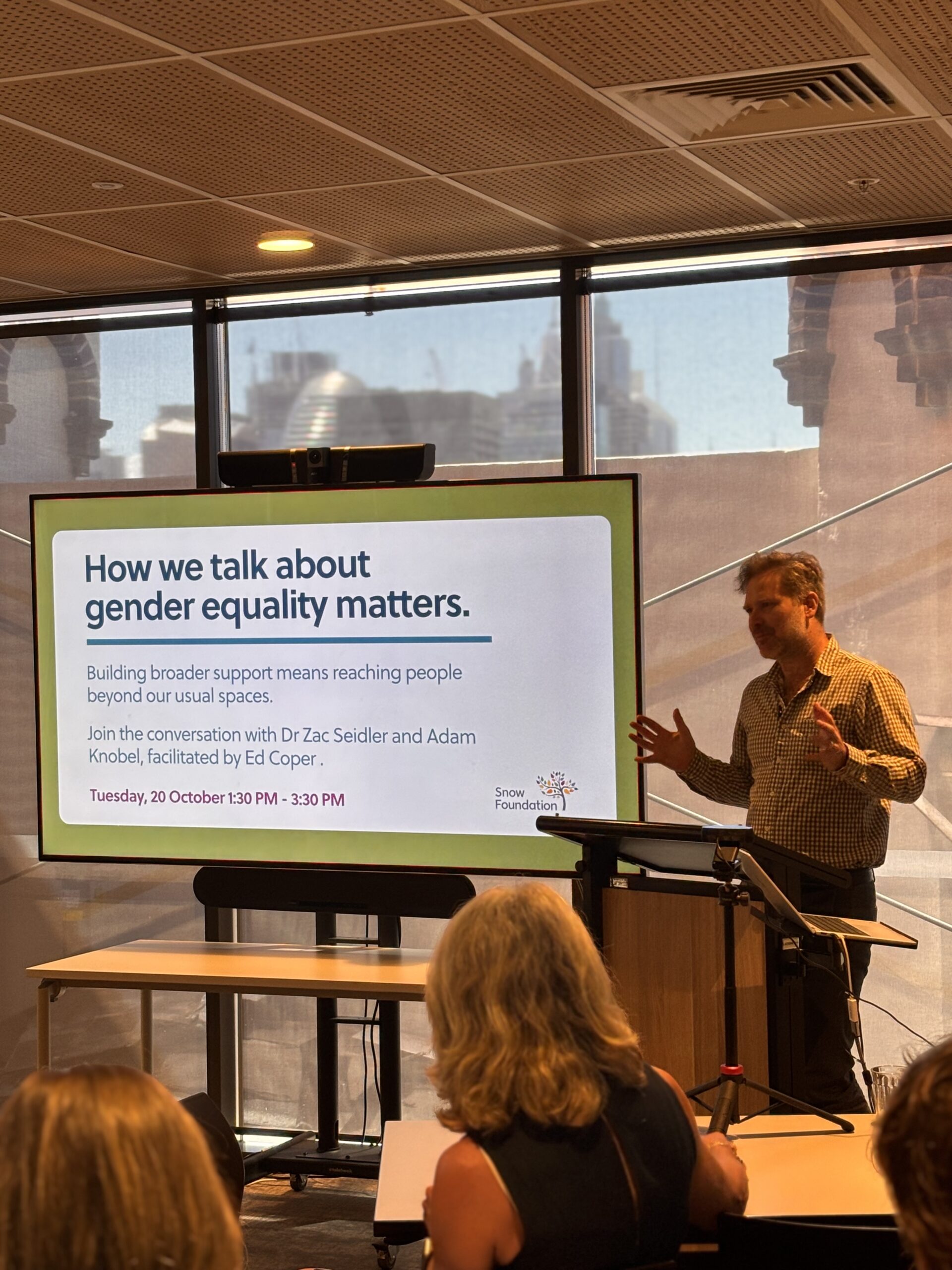
Ed Coper
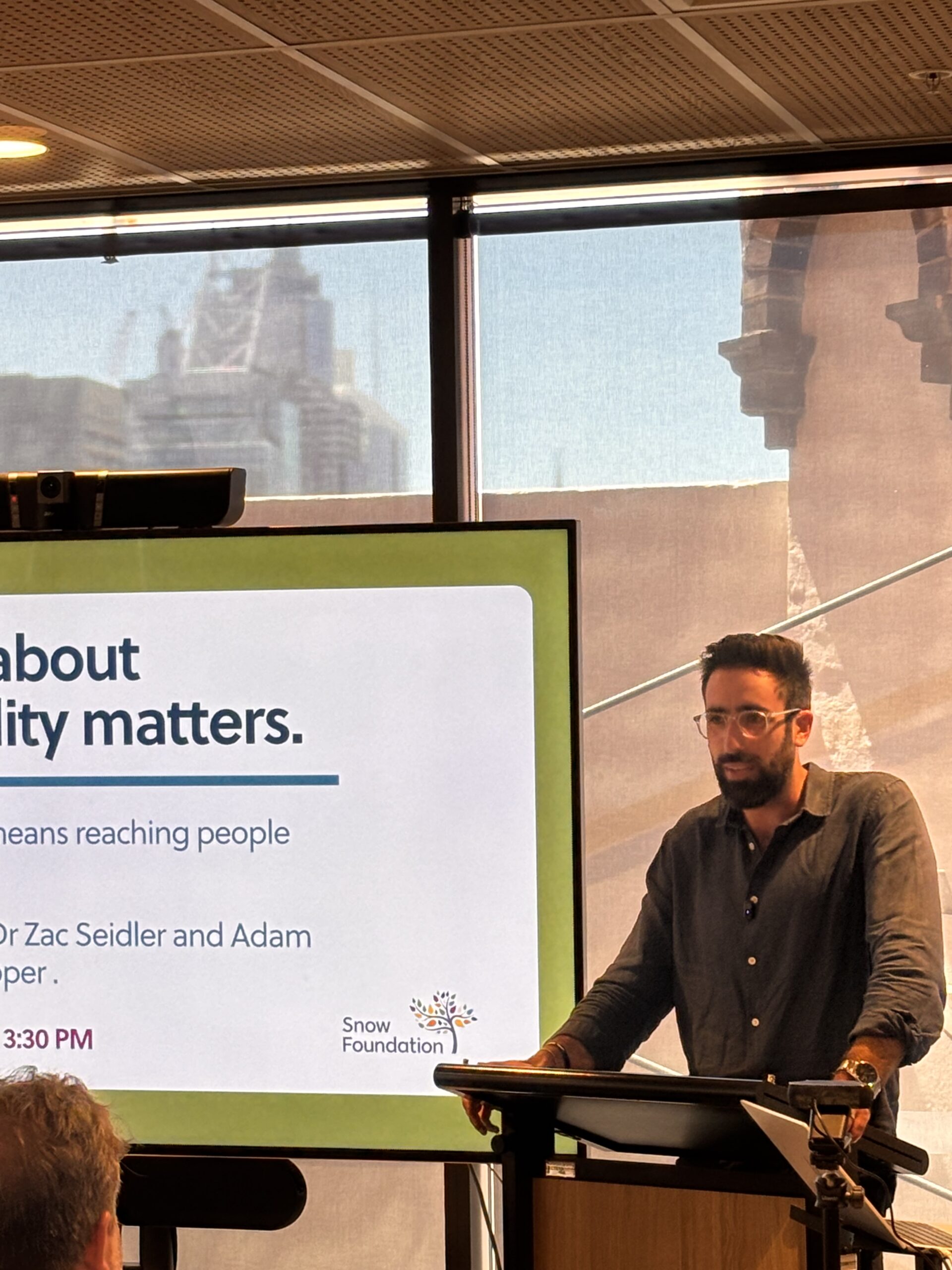
Dr Zac Seidler
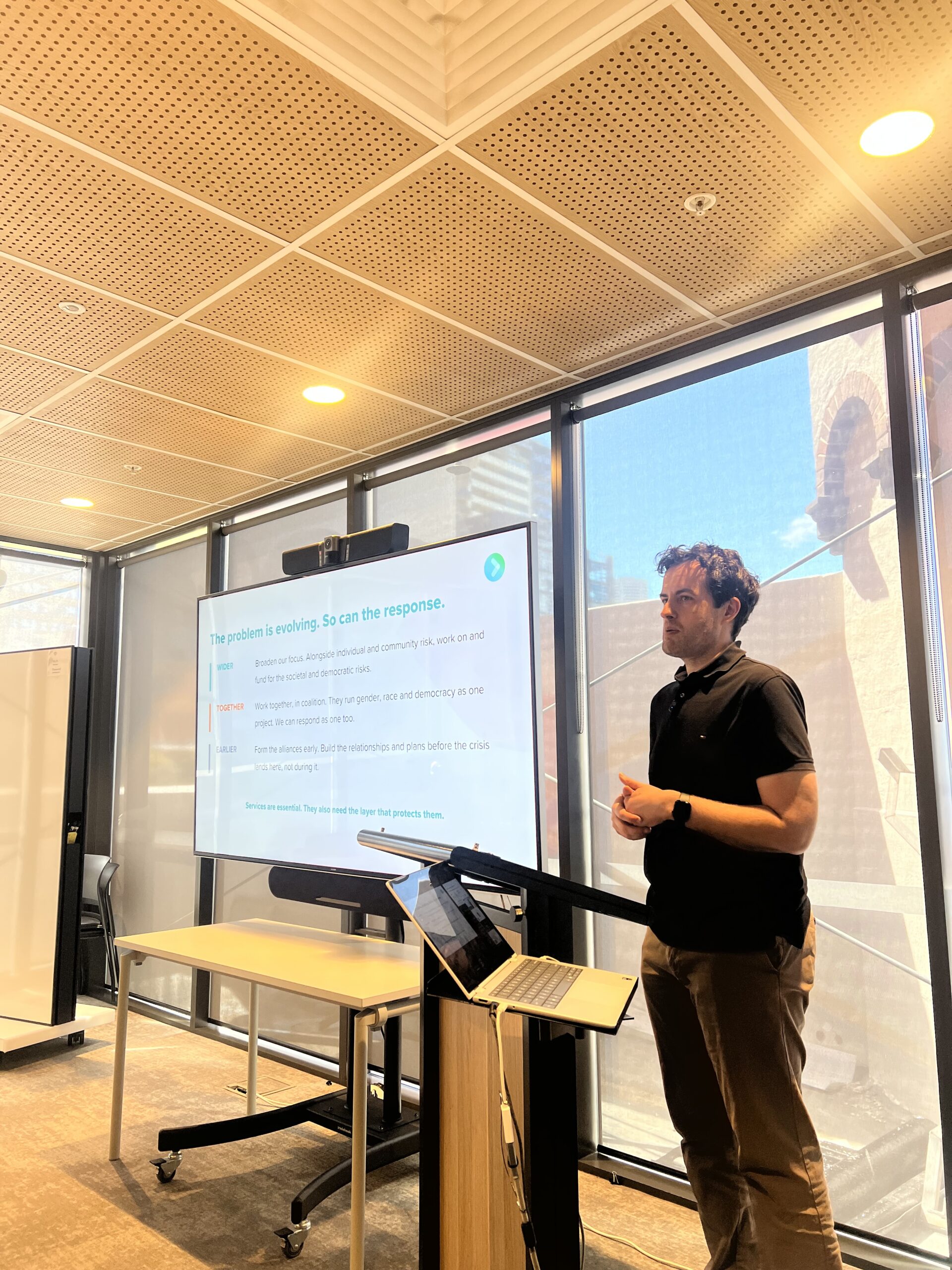
Adam Knobel
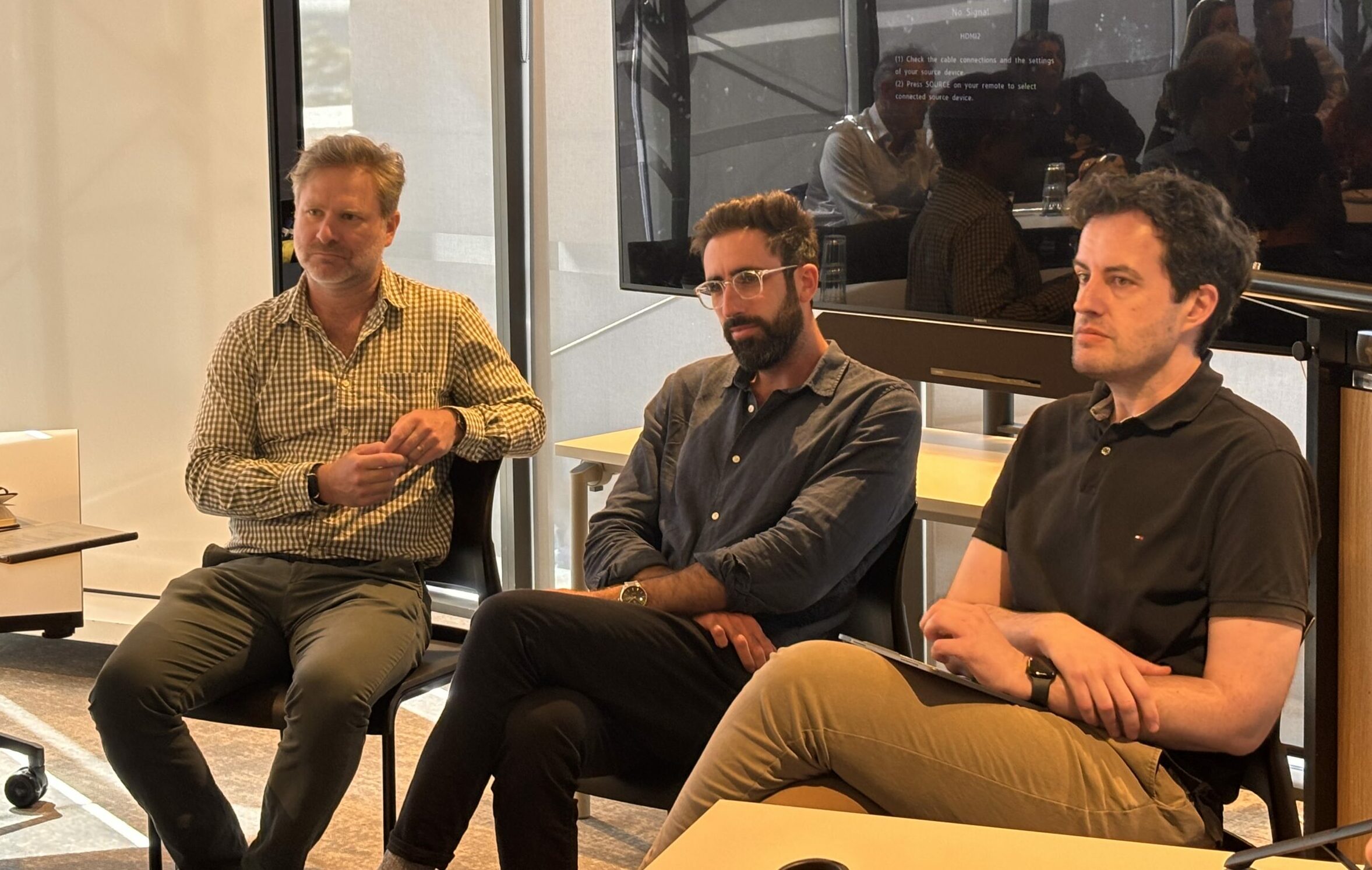
Ed Coper, Dr Zac Seidler, Adam Knobel