Snow Foundation and NACCHO brought First Nations leadership, lived experience and philanthropy to the global stage at Women Deliver 2026 — sharing what Australia has learned in the effort to end rheumatic heart disease.
On 28 April 2026, Snow Foundation and the National Aboriginal Community Controlled Health Organisation (NACCHO) co-hosted Every Heart, Every Voice: Lessons for Ending Rheumatic Heart Disease, an official side event at Women Deliver 2026 in Melbourne (Naarm). One of the world’s largest global conferences on gender equality, health and human rights, Women Deliver brought together more than 6,000 leaders, advocates and changemakers from across the globe — making it a powerful setting to share Australia’s experience and, critically, to learn from others.
Rheumatic heart disease (RHD) is entirely preventable. It has been eliminated in almost every other comparable nation. Yet in Australia, rates are still increasing in Aboriginal and Torres Strait Islander communities — particularly among women and children. The session was an opportunity to ask, clearly and collectively: why does this persist, what is working, and what does the world need to hear?
The conversation
The session opened with a short screening of Take Heart: Songlines, grounding the discussion in the human reality of RHD — a disease that is preventable, yet persists as one of Australia’s most profound health inequities.
Dr Dawn Casey, CEO of NACCHO, delivered the keynote, speaking to the central role of Aboriginal community-controlled health services and the need for whole-of-system responses — ones that address clinical care alongside housing, hygiene, workforce and the other social determinants that drive disease.
Associate Professor Vicki Wade and Perpethua Ali brought lived experience to the centre of the room, showing how RHD is experienced across a lifetime. Their insights were a powerful reminder of the difference between being treated and being truly supported — and why culturally safe, community-led care grounded in trust and continuity delivers better outcomes.
Snow Foundation CEO Georgina Byron, Snow Foundation’s First Nations Advisor Adjunct Professor Maree Meredith, and Associate Professor Vicki Wade then explored the role of philanthropy in this work.
The panel was clear on what effective philanthropic partnership looks like in this context: it is about being a long-term, reliable enabler of First Nations-led solutions.
That means showing up with flexible capital that isn’t bound by short funding cycles. It means investing in relationships, not just projects. It means advocating for systemic change and amplifying community voices in rooms where decisions get made. And it means knowing when to step back — trusting that communities know what they need and resourcing them to lead.
For Snow Foundation, this approach has shaped 15 years of investment in ending RHD. ensuring that our work is grounded in genuine partnership, shaped by culture and community, and accountable to the people it is intended to serve.
Government commitment and the road ahead
The session concluded with a video message from Assistant Minister Rebecca White, who acknowledged the disproportionate impact of RHD on First Nations women and children, reaffirmed the Australian Government’s commitment to prevention and elimination, and recognised the importance of partnership — including the leadership of NACCHO, community-controlled health organisations and philanthropic collaborators — in driving progress.
That partnership is what gives us confidence. But it also brings clarity about what is still required. Ending RHD demands sustained political will, long-term investment and whole-of-government coordination across health, housing, infrastructure, and community services. Philanthropy can enable and advocate. Government must fund and commit — for the long term.
We are grateful to our co-host NACCHO, to our speakers Dr Dawn Casey, Associate Professor Vicki Wade, Perpethua Ali and Adjunct Professor Maree Meredith, and to the Women Deliver community for the platform to have this conversation. The work continues.
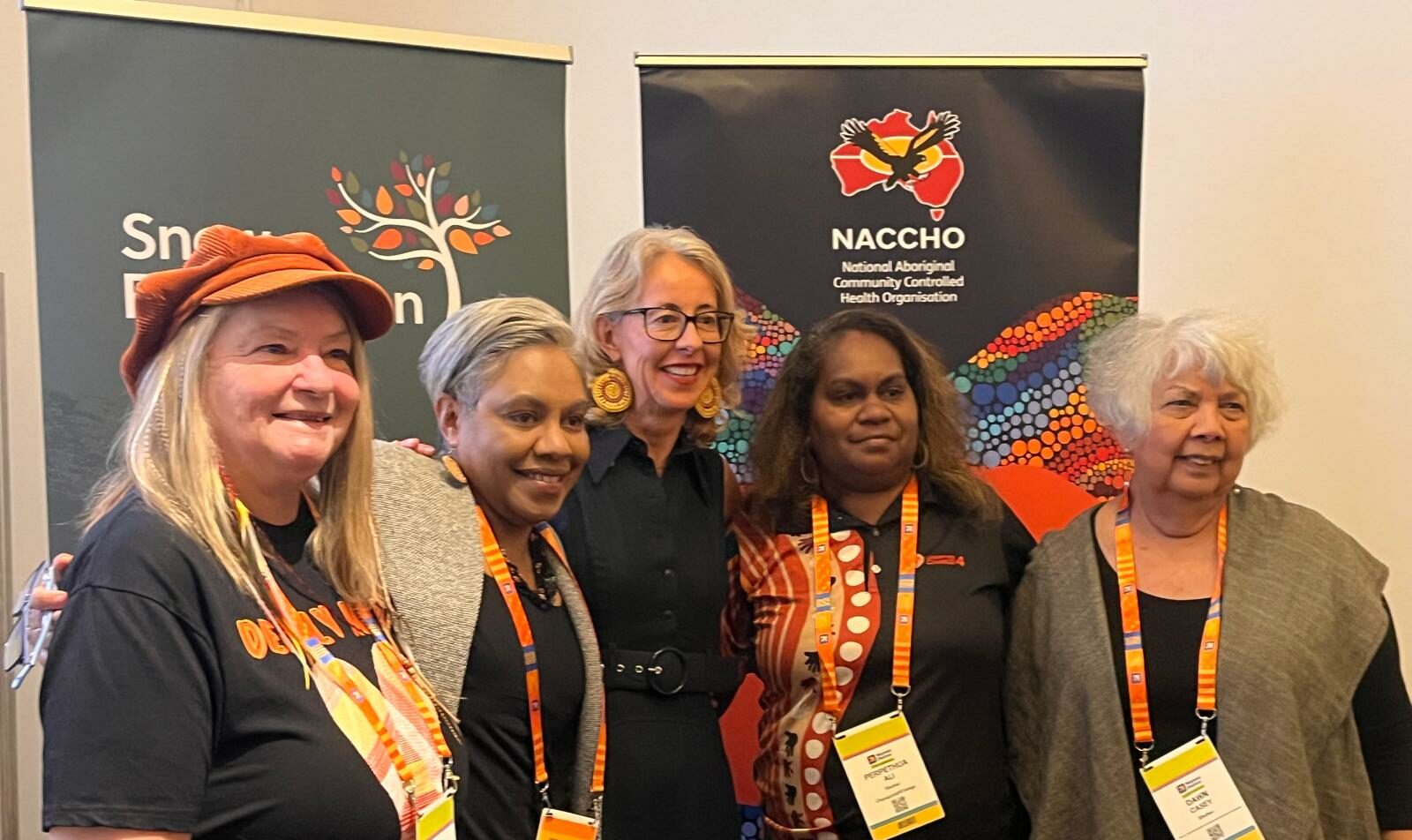
Associate Professor Vicki Wade, Adjunct Professor Maree Meredith, Georgina Byron, Perpethua Ali, Dr Dawn Casey
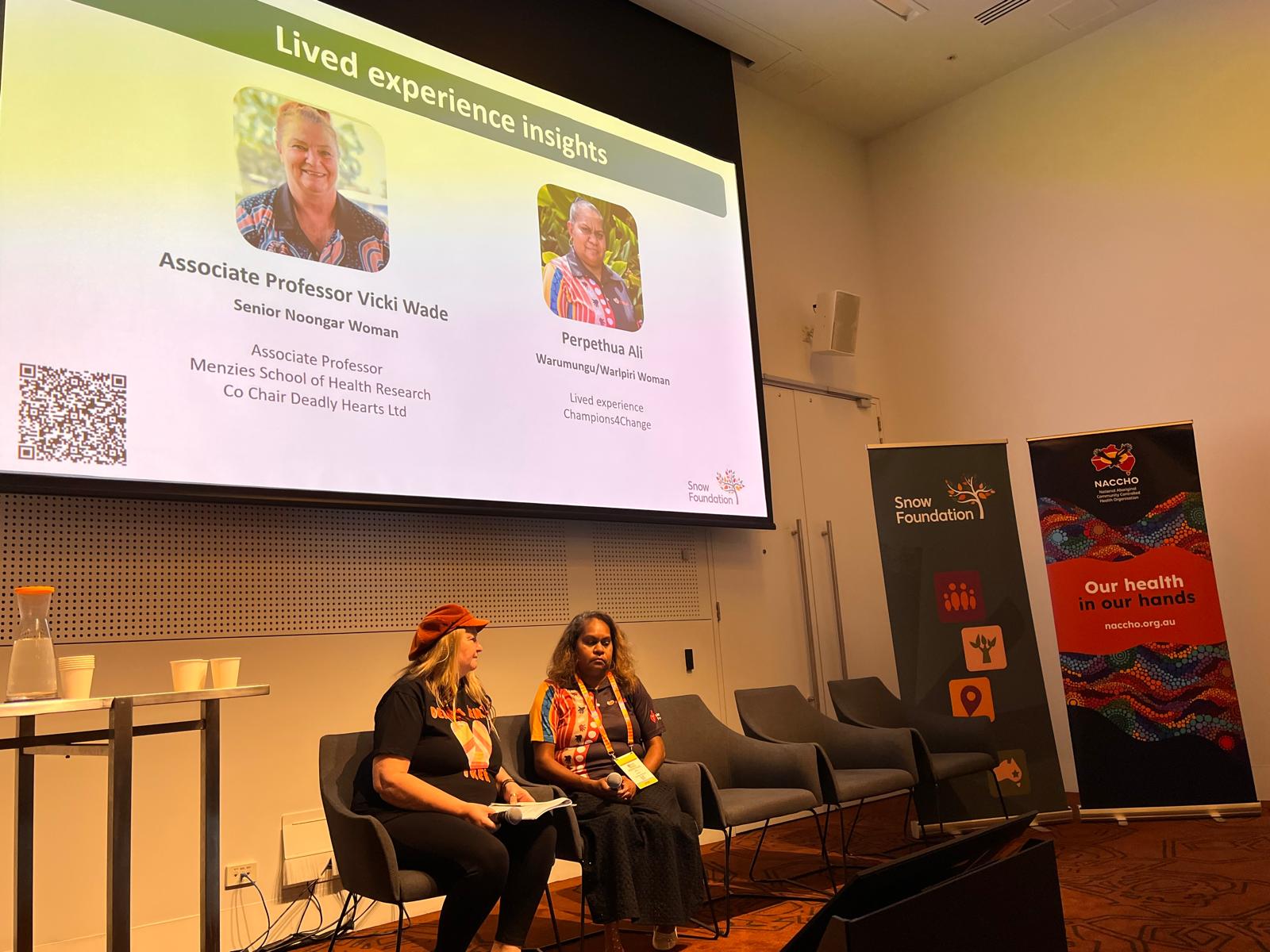
Associate Professor Vicki Wade with Perpethua Ali lived experience Champion4Change
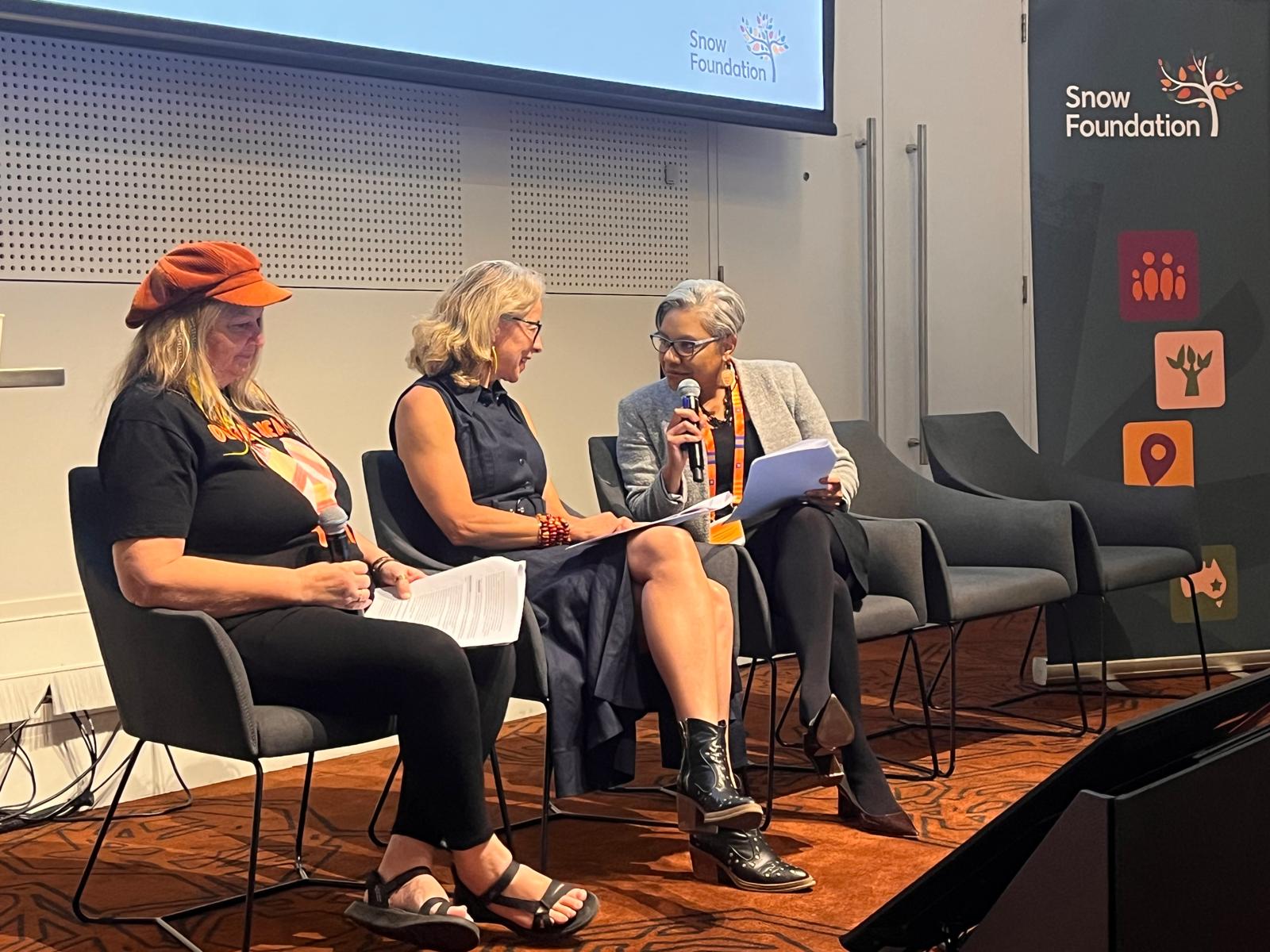
Associate Professor Vicki Wade, Georgina Byron, Adjunct Professor Maree Meredith
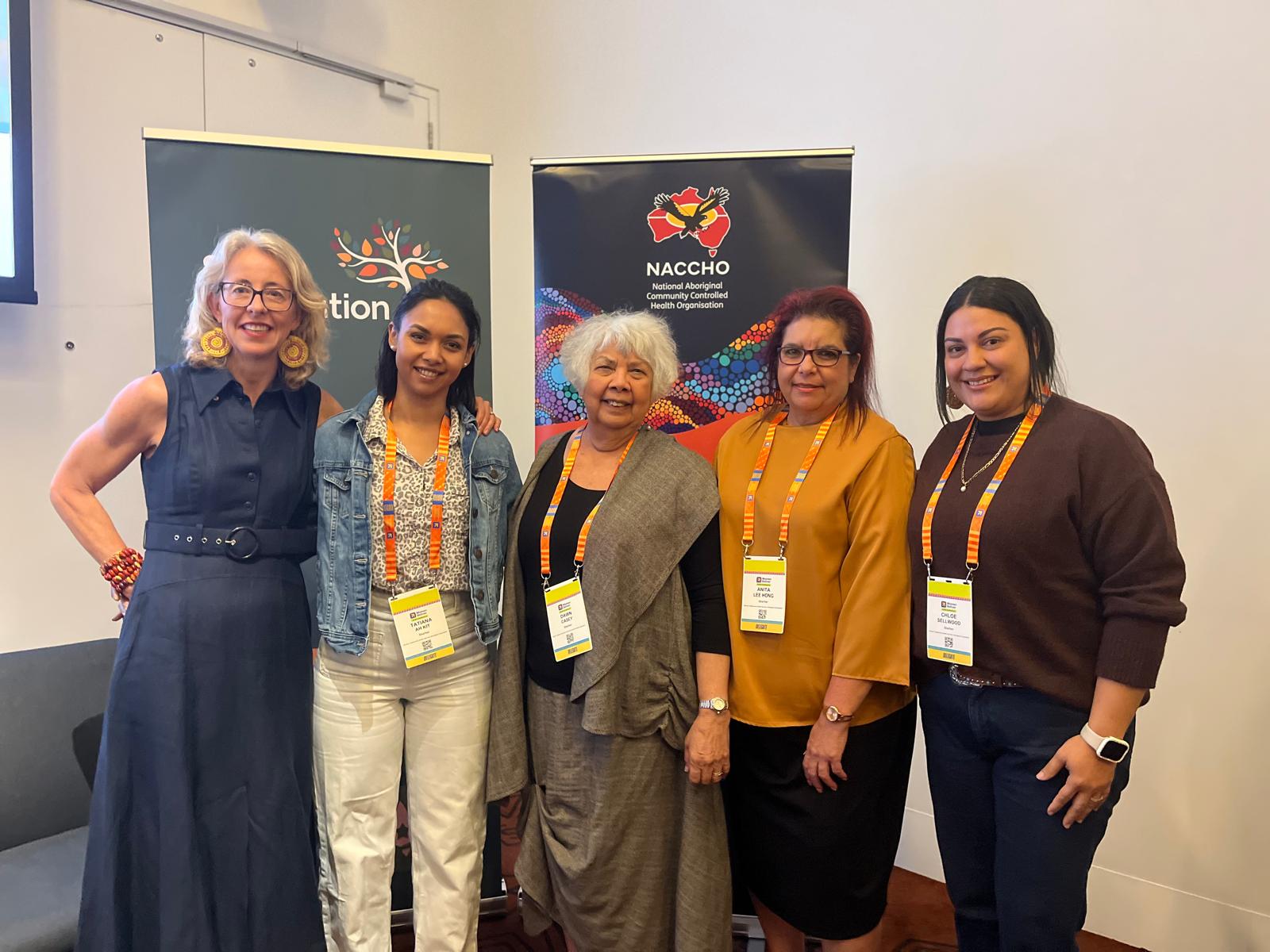
Georgina Byron, Tatiana Ah Kit, Dr Dawn Casey, Anita Lee Hong, Chloe Sellwood
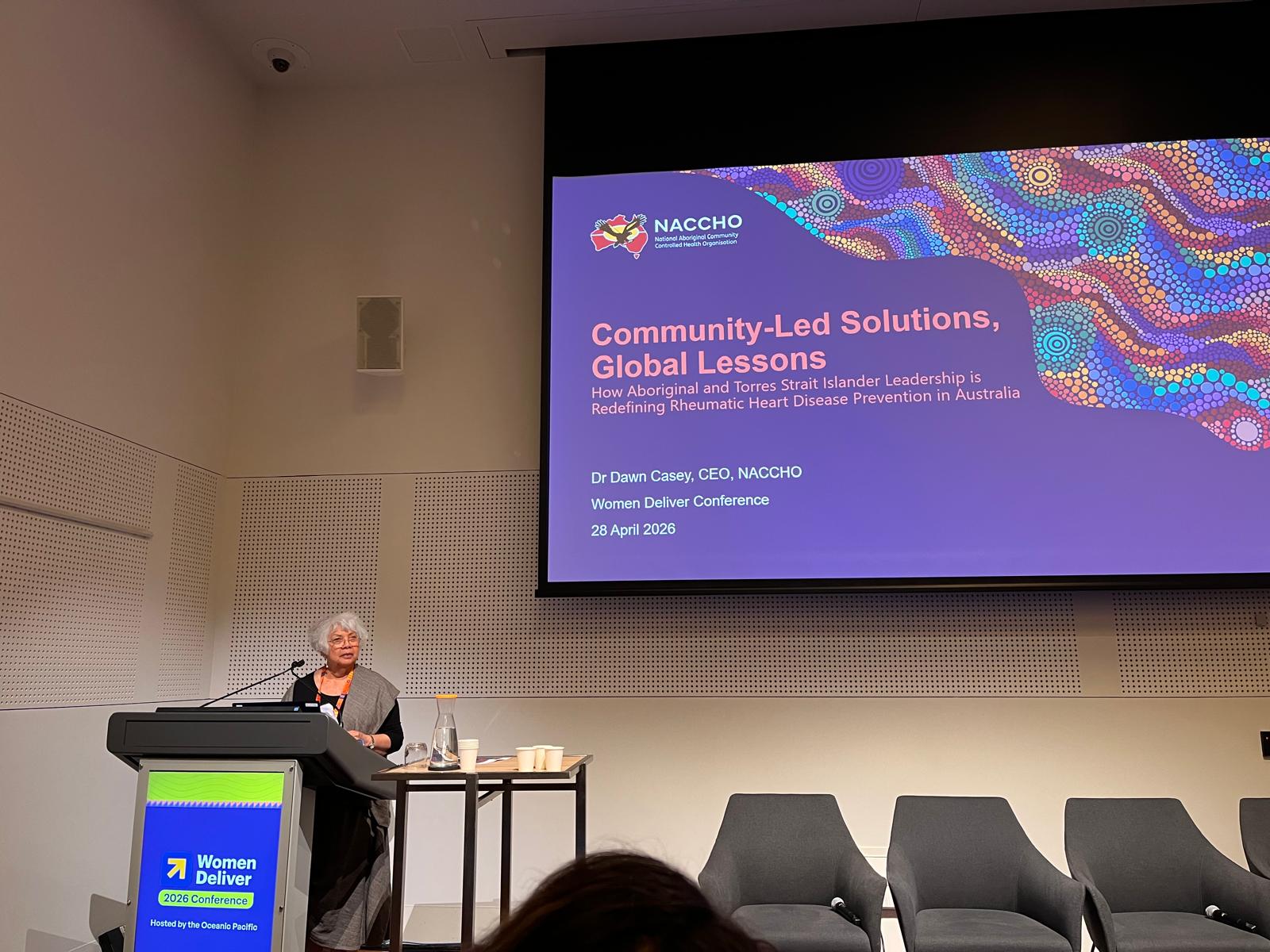
Dr Dawn Casey providing the keynote presentation
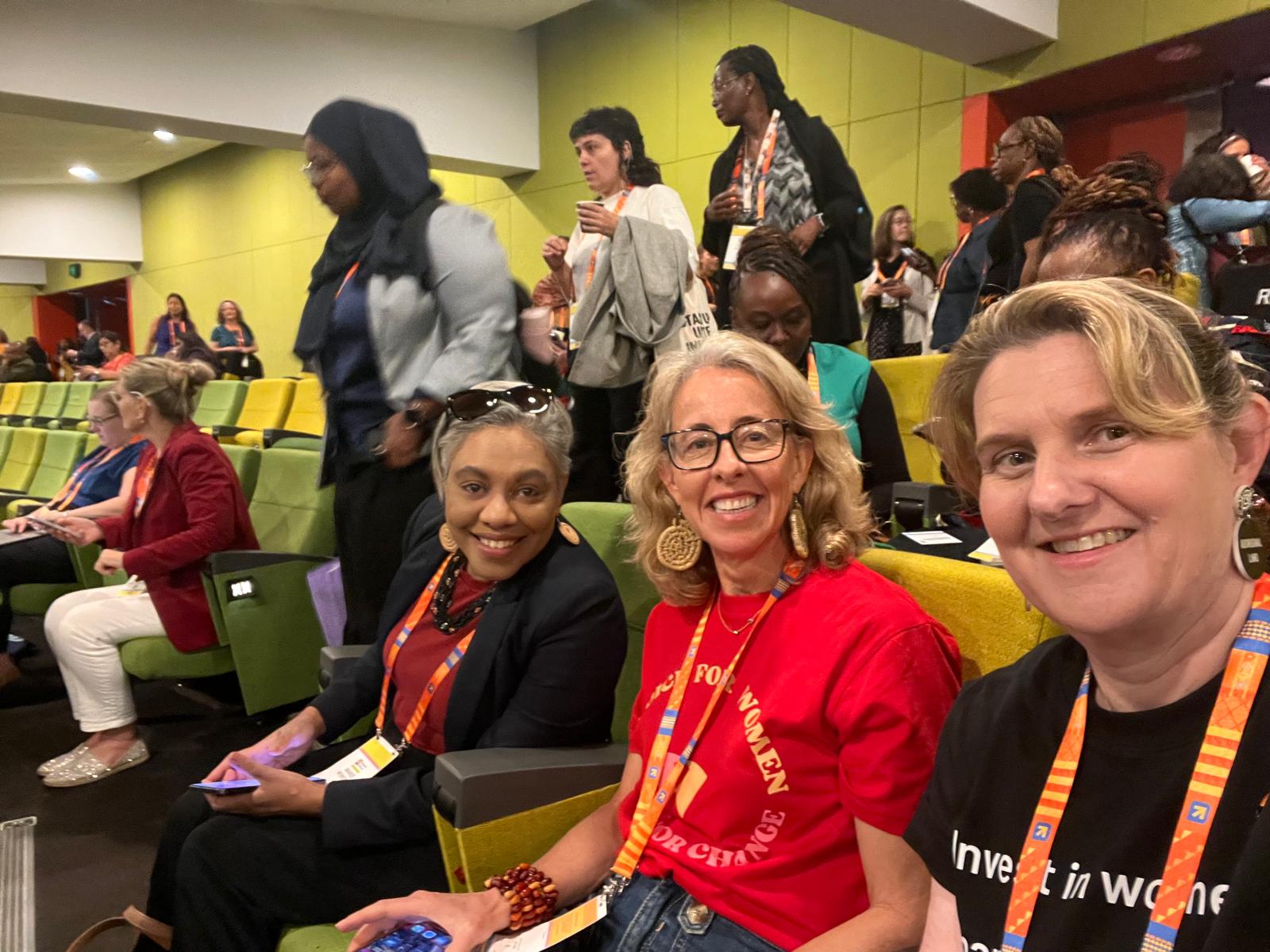
Adjunct Professor Maree Meredith, Georgina Byron, Sally Grimsley-Ballard at Women Deliver 2026
Next Article
Coalition of Funders for Women and Families