Australian’s education results have been in decline for the last 20 years. The latest Programme for International Student Assessment (PISA) results show that nearly half of 15-year-olds aren’t proficient in maths, and 43% fall short in reading.
The average Australian student today is sitting almost two years behind their counterpart from two decades ago in maths, and around 18 months behind in reading. The decline holds across the OECD comparison, even though we remain above the international average, for now.
The bigger concern is who’s being left behind. First Nations, regional, and low-SES students are disproportionately represented in the “below proficiency” cohort, and by Year 9, students from the most disadvantaged backgrounds are, on average, more than five years behind their wealthier peers. Just 4% of teenagers from the poorest quartile reach the highest performance band, compared to 25% of the wealthiest. Australia now has one of the widest achievement gaps between top and bottom students of any developed nation.
Of the factors that shape student learning, teachers account for the single largest share that schools can influence, around 30% of the variance, second only to the student’s own background.
That’s why our work has focused on the building blocks of effective teaching: curriculum quality and teacher preparation.
Where philanthropy fits in
It’s worth noting how little of Australia’s giving currently reaches this space. Education captures only 5–8% of all charitable donations each year, and most of that flows to universities, three-quarters of it to the Group of Eight alone. School-level philanthropy is dominated by independent schools, which receive roughly $1 billion annually, while structured giving to disadvantaged public schools remains comparatively small.
Collaboration across the sector has been hugely valuable to this work, and we’ve been fortunate to learn from and partner with a range of people and advisors along the way. There’s a real opportunity in philanthropy to assist with closing the gap and we invite others in the sector to help.
What we’ve done so far
We began this work with a simple goal: stop kids being left behind in reading. Our first research paper and advocacy partnership with the ACT Alliance for Evidenced Based Education helped spur a parliamentary inquiry, ultimately contributing to a change in ACT Government policy that introduced evidence-based literacy and numeracy instruction across 90 schools, backed by $25 million in new funding for decodable readers, teacher coaching, and professional learning.
From there, we broadened our lens, commissioning national research into where philanthropy can have the greatest impact on closing the equity gap. That work, and a forum we hosted with 20 other funders, pointed us toward to a number of priority areas:
- Curriculum — supporting projects like EdAssure (an independent quality-rating system for lesson materials) and Learning First’s international benchmarking of Australia’s maths curriculum.
- Initial Teacher Education — commissioning research into how new teachers are trained, given that early-career teachers report sharply declining confidence in both subject knowledge and classroom management compared to a few years ago.
- Empowering disadvantaged schools – supporting organisations like 500 schools which lift disadvantaged schools.
- Identifying students at risk of falling behind – supporting Centre for Independent Studies who are developing a maths check for Kindy / Year 1 students.
What’s next
We will continue to invest across these priority areas as the work matures, and we’ll keep our community updated as it progresses.
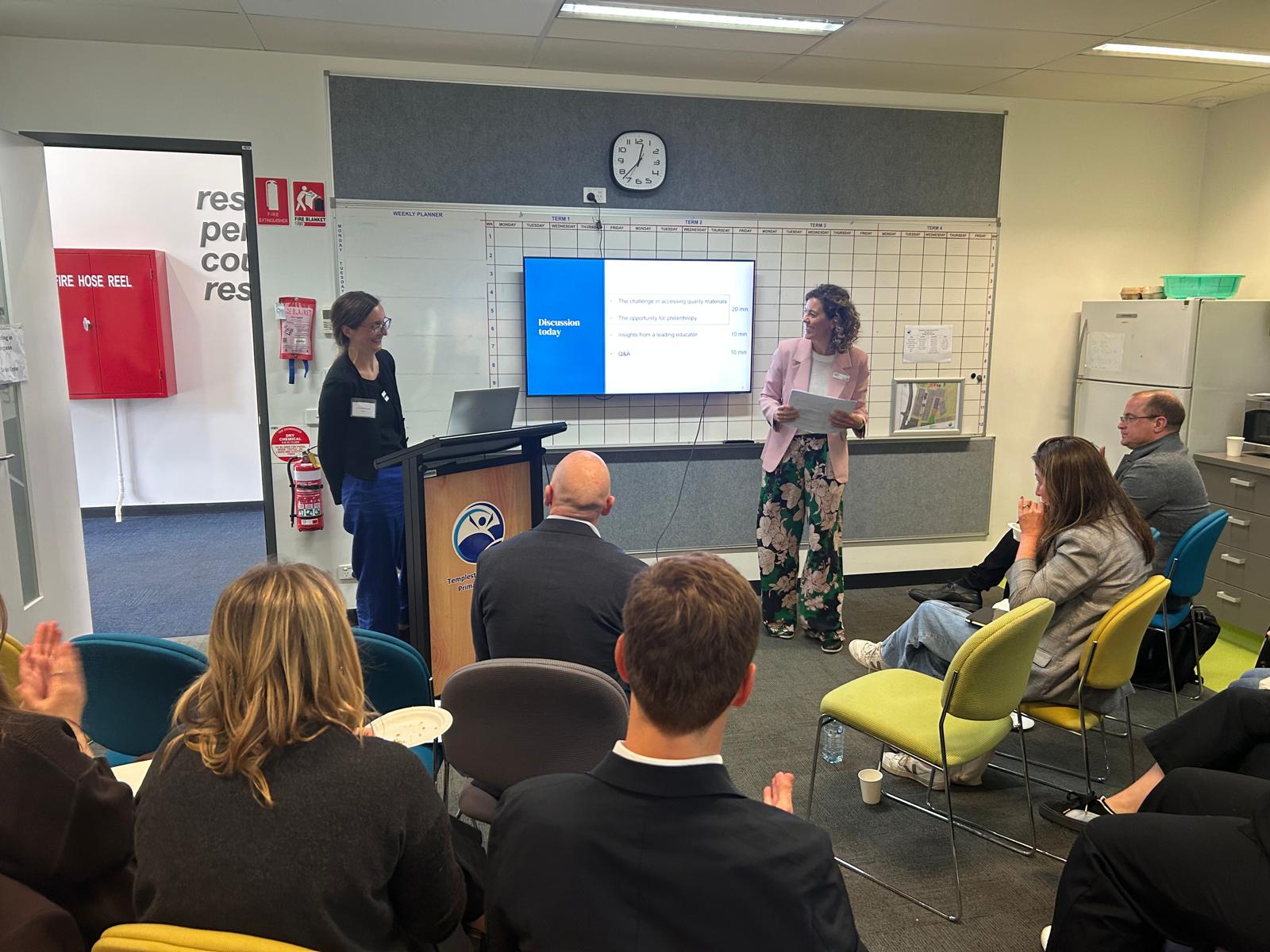
Education Curriculum Reform Workshop
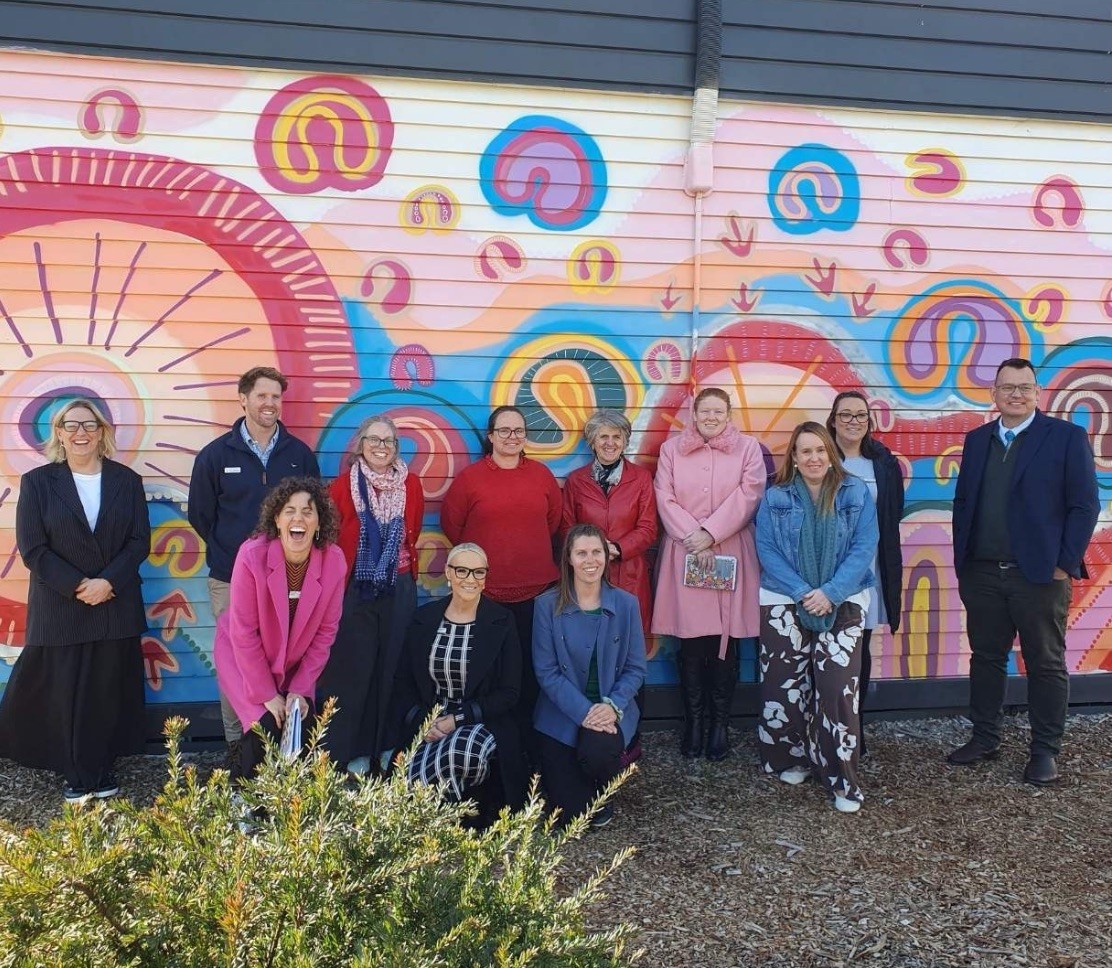
School Principals Tour
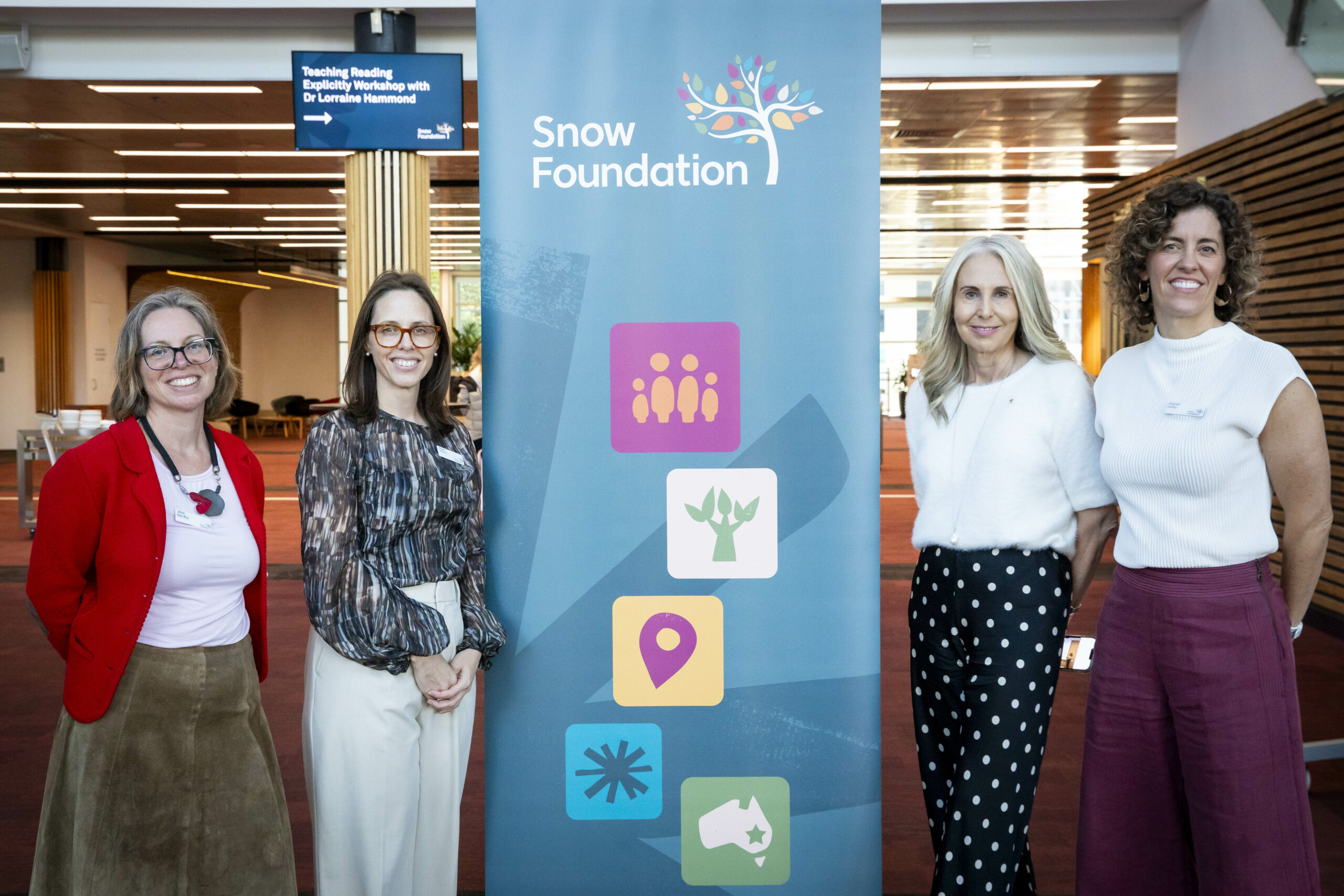
Literacy Workshop with Professor Lorraine Hammond
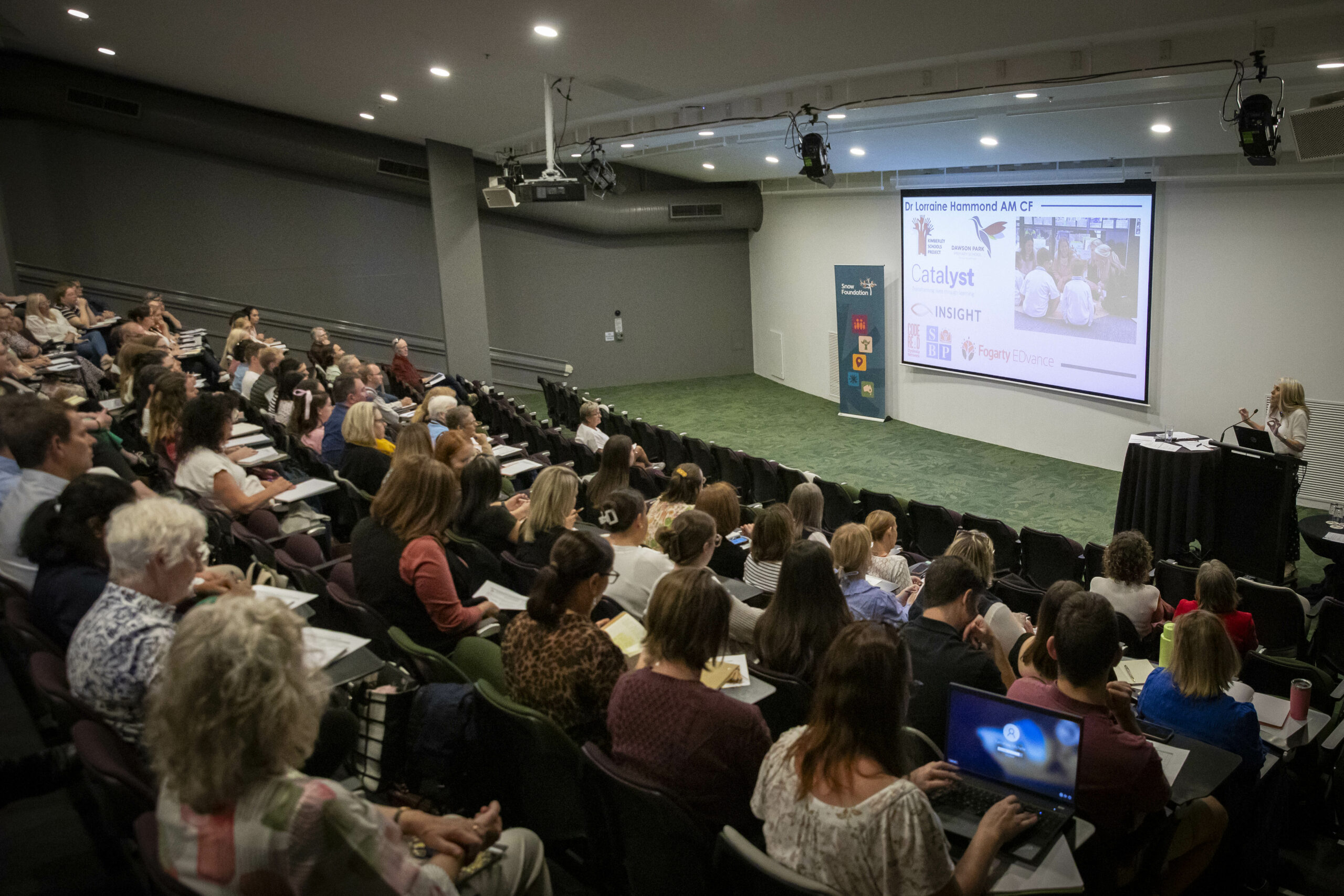
Literacy Workshop with Professor Lorraine Hammond
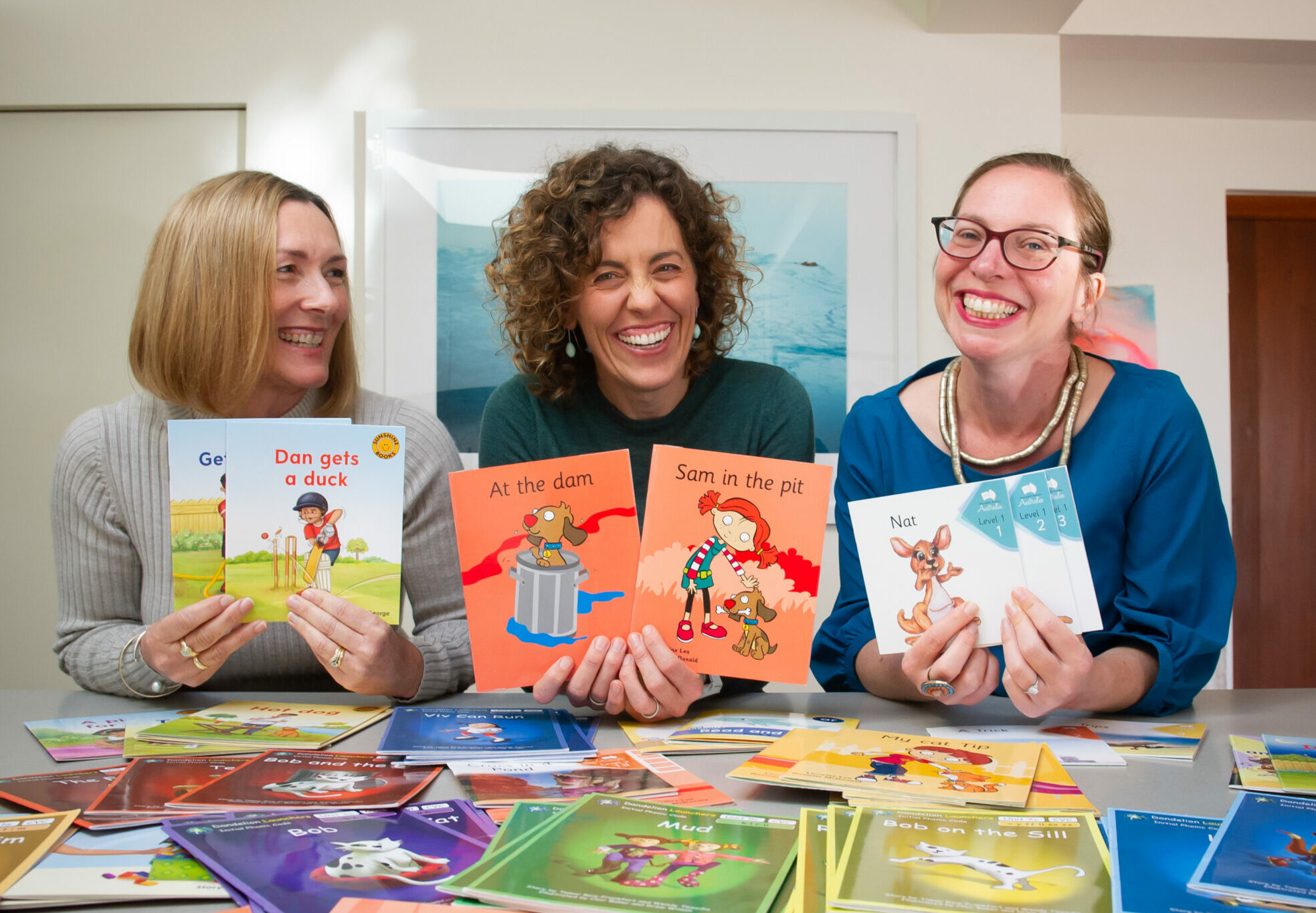
Members of the ACT Alliance for Evidence-Based Education, Jen Cross, Scarlett Gaffey and Jessica Del Rio, push for the ACT to adopt a year 1 phonics test, decodable readers and literacy coaches. Picture by Elesa Kurtz
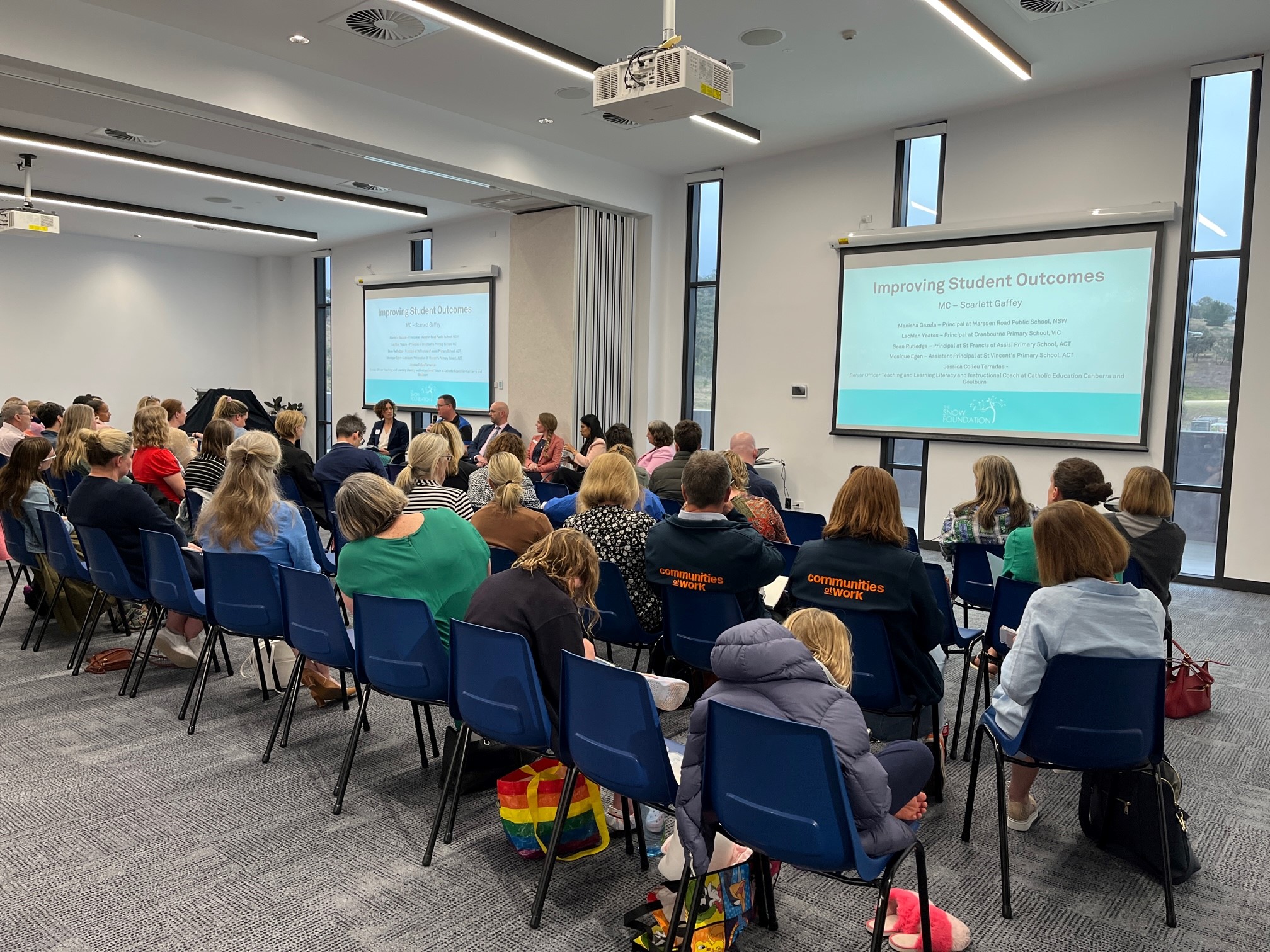
Improving Student Outcomes Session
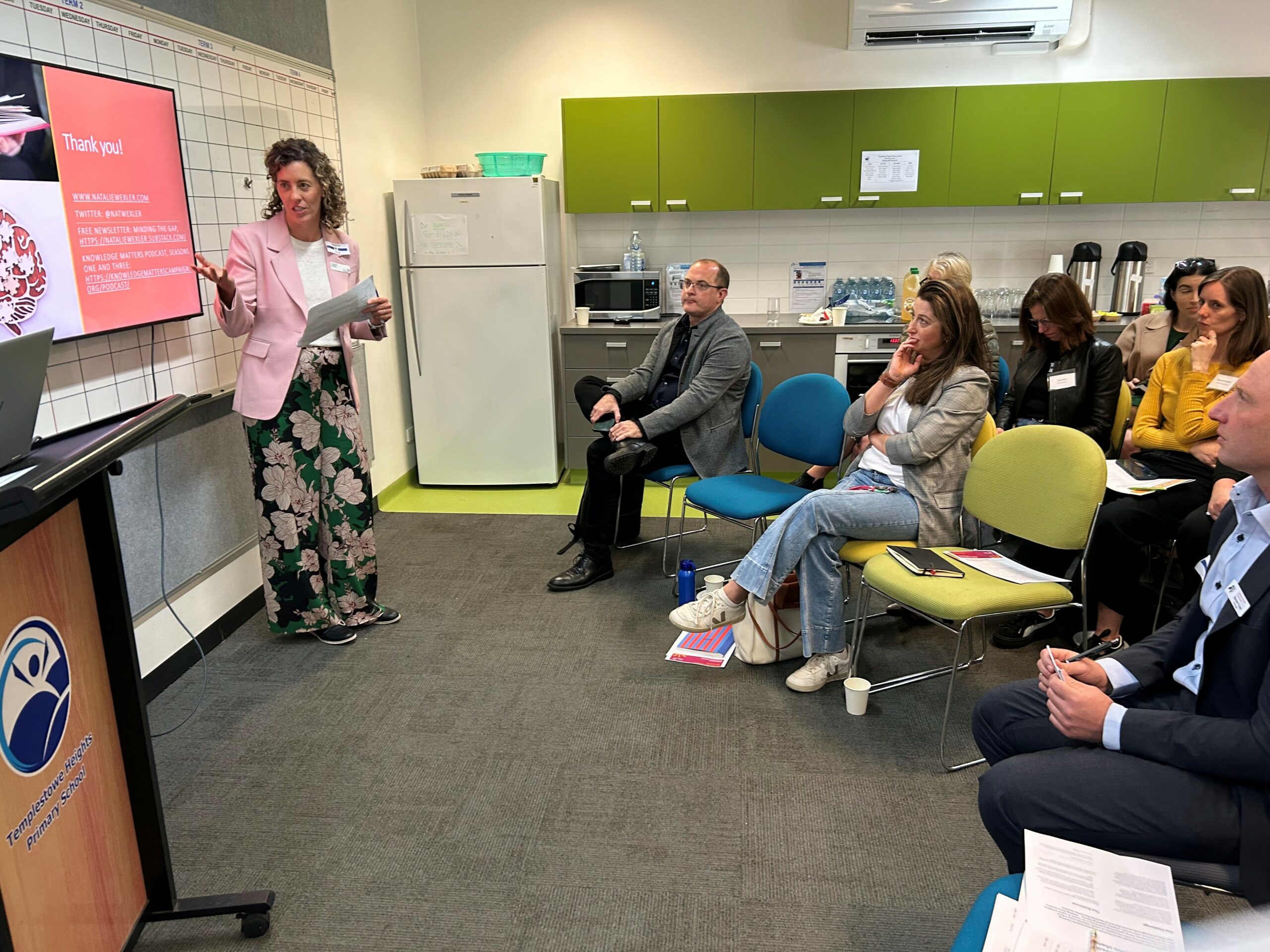
Education Curriculum Reform Workshop
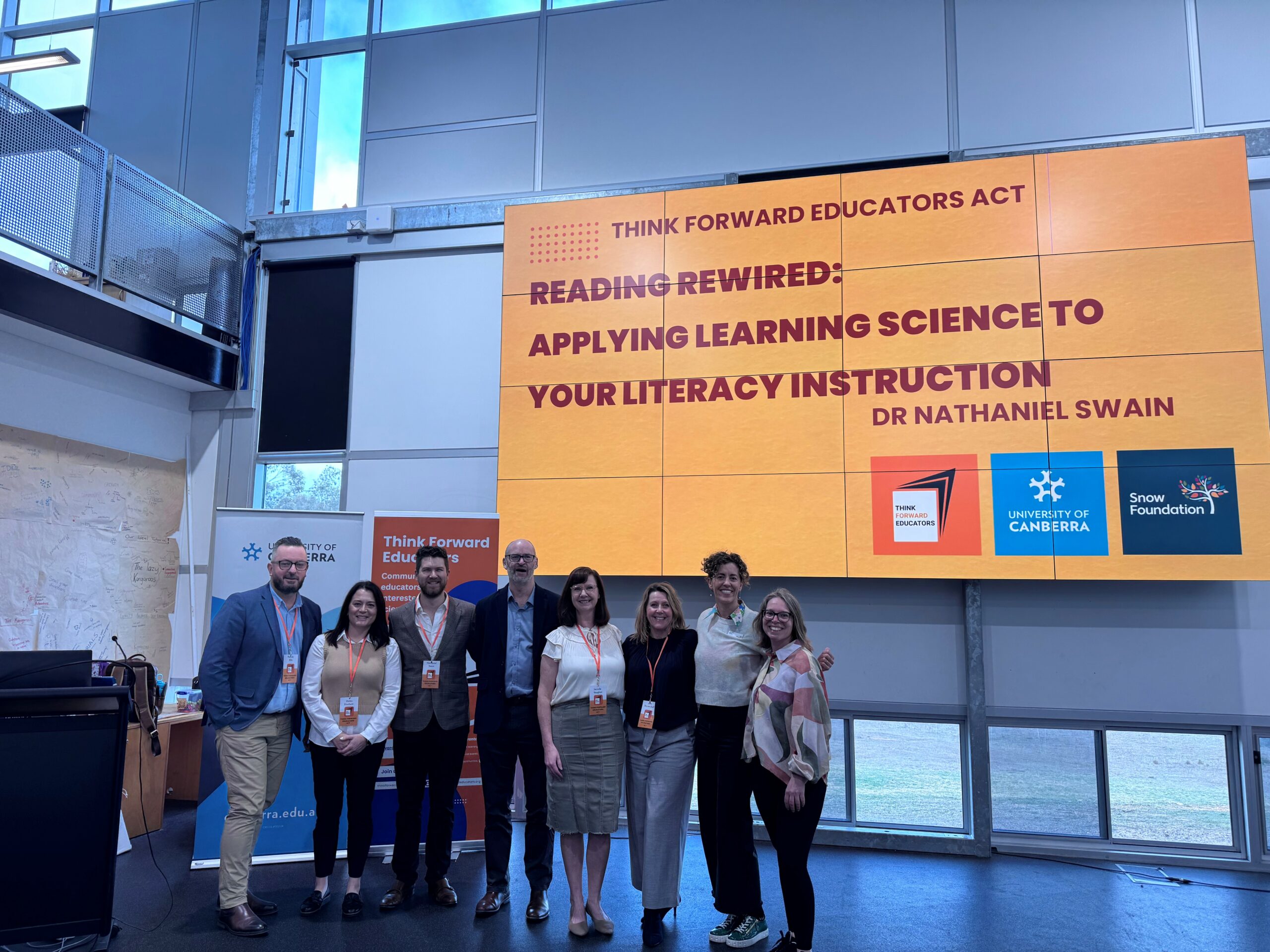
Think Forward Educators ACT
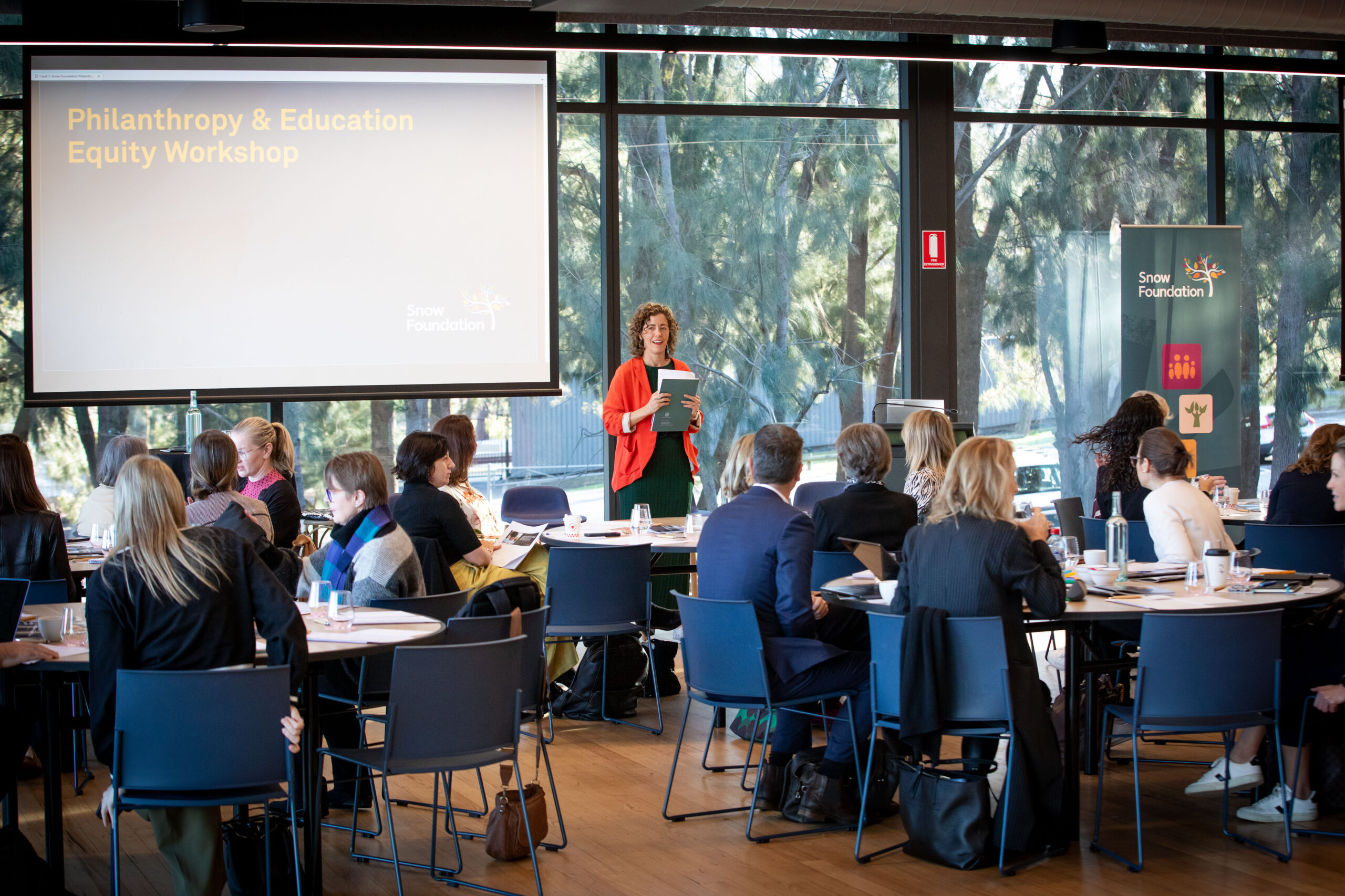
Philanthropy and Education Equity Workshop
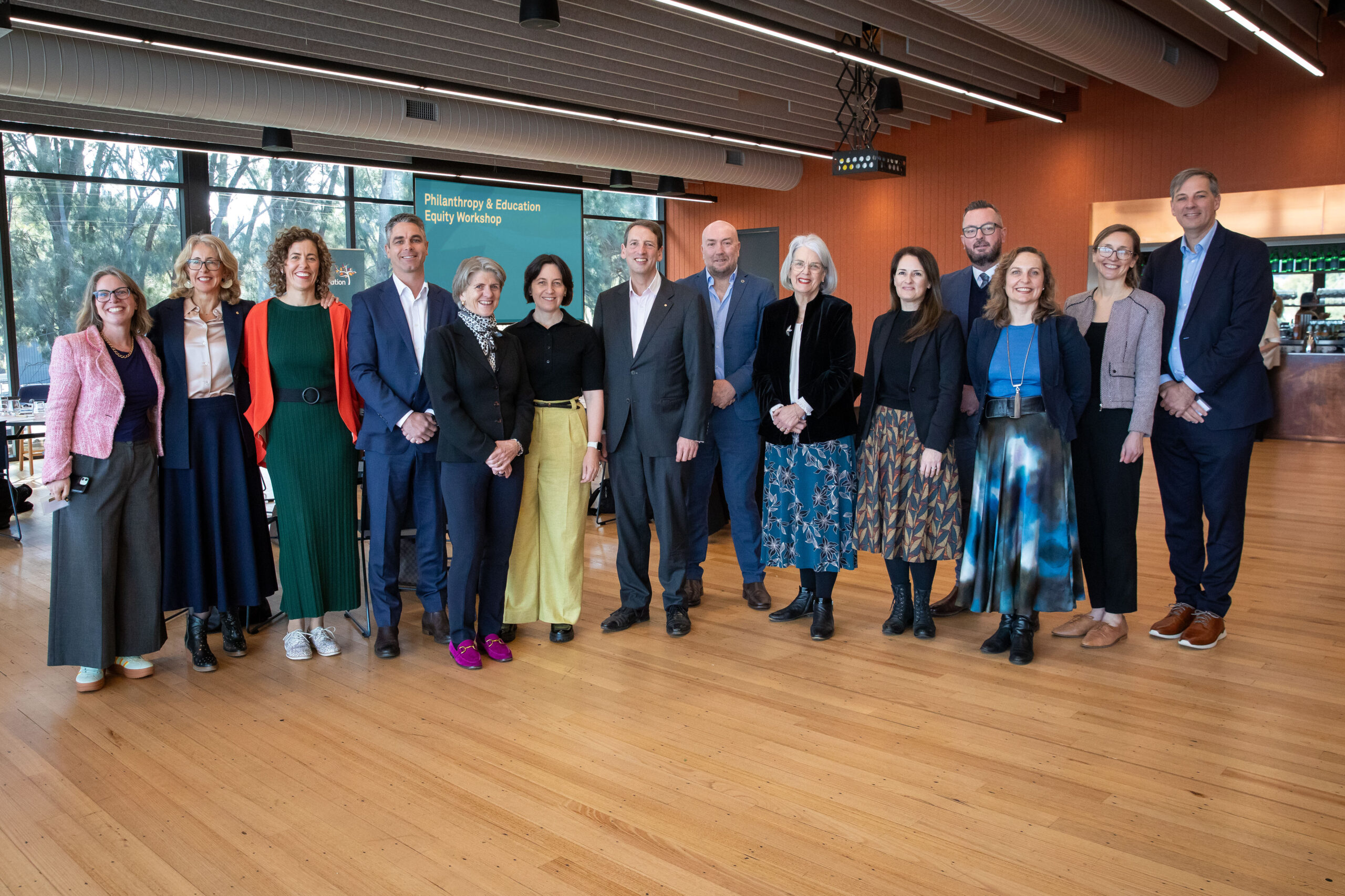
Philanthropy and Education Equity Workshop
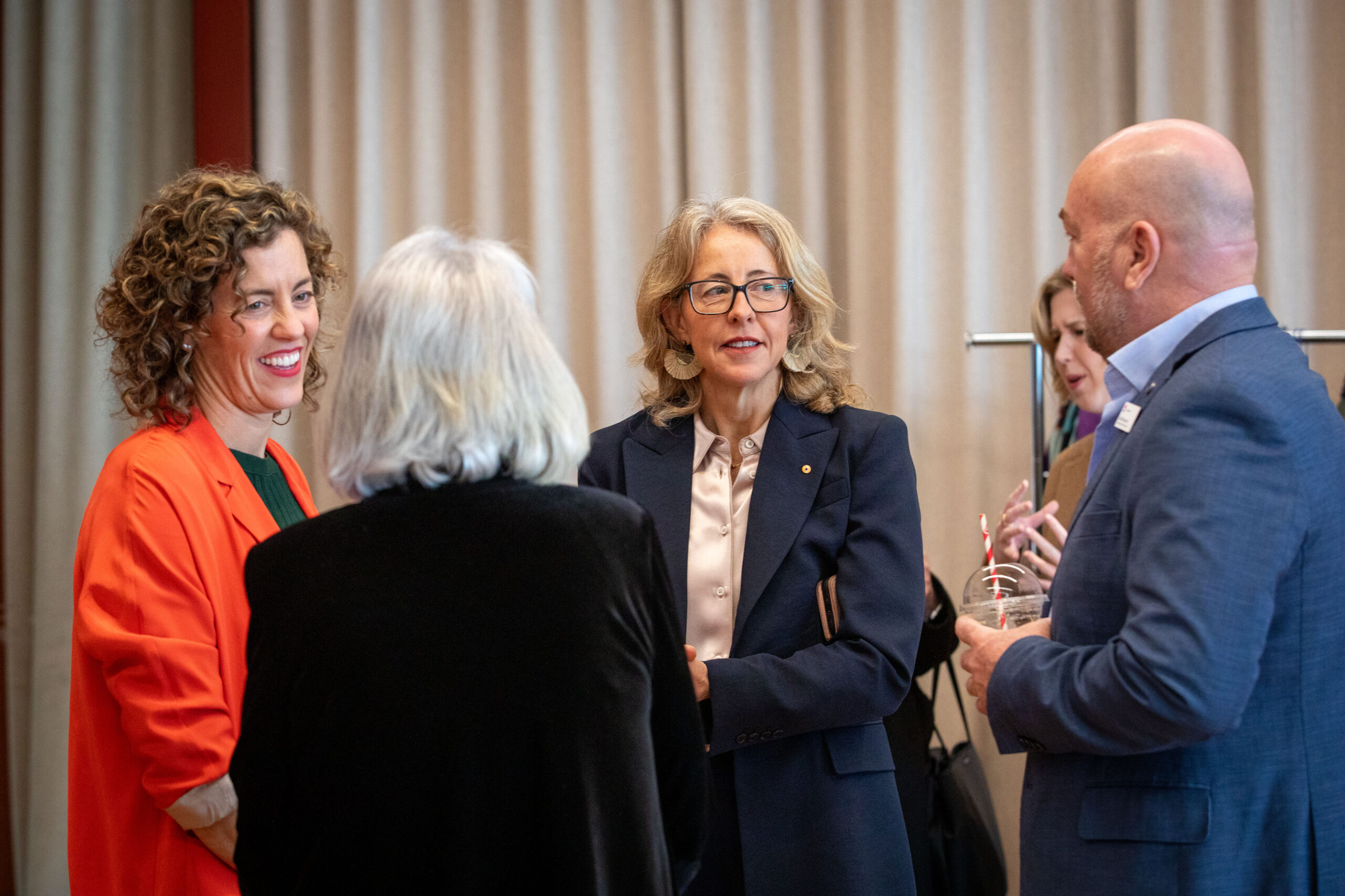
Philanthropy and Education Equity Workshop